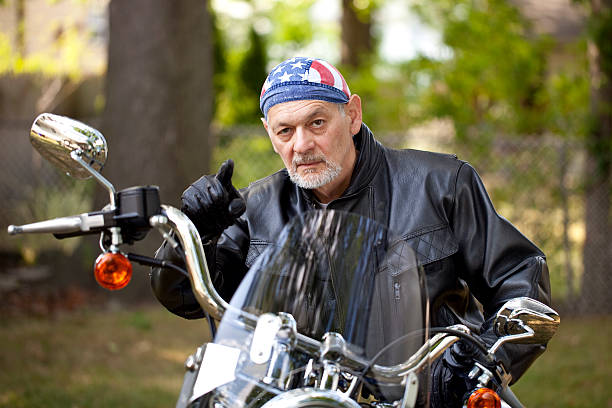
Beneath the leather and chrome lies something ancient — the tribal heart of brotherhood, loyalty, and belonging.
Long before asphalt and Harleys, humans gathered in tribes. It was survival — practical, emotional, spiritual. We hunted together, fought together, buried our dead together. And while civilization has changed the tools, the hunger for connection remains. In a world that increasingly isolates, the Motorcycle Club stands as one of the last true tribal models — a modern expression of ancient needs.
At its core, the Motorcycle Club is more than just a group of people who ride — it is a modern tribe. Unlike casual riding groups or weekend warriors, a real MC is a chosen family. What binds this family isn’t blood, but shared experiences, earned trust, and an unwavering sense of accountability to one another. This brotherhood reflects the deepest elements of tribal structure, offering men a place where identity, purpose, and belonging are forged in the fires of commitment.
The MC mirrors the traditional tribal model in several key ways. It operates with a clear hierarchy, where officers like the President, Vice President, Sergeant-at-Arms, and Road Captain serve roles not unlike a tribal council or elder circle. These roles aren’t just titles — they carry weight, responsibility, and cultural memory. The patch, colors, and rockers are symbols much like a tribe’s totems or war paint — they communicate allegiance, history, and territory. The process of becoming a patchholder — from hangaround to prospect to full member — is a rite of passage. It demands humility, discipline, and transformation. Just as ancient tribes tested their initiates through trials and challenges, so too do Clubs test a man’s loyalty, resolve, and character before granting him full entry.
Like any tribe, the MC exists within a framework of rules, customs, and codes of conduct. These unwritten laws are passed down by experience, observation, and guidance from elders. They dictate how members interact, how they engage with outsiders, and how the sanctity of the patch and the Club’s integrity are preserved. These aren’t arbitrary rules — they are the moral and cultural backbone of the Club. In following them, members maintain the order and cohesion necessary for the tribe to survive and thrive.
When viewed through this lens, it becomes clear that the MC isn’t a rebellion against culture — it is a culture. It answers the very human need for structure, for shared values, for loyalty that goes beyond words. In a world that’s forgotten what real brotherhood looks like, the MC remembers — and lives it every single day.
To become a full patch, a man must first be seen. Not just noticed — seen. Watched. Tested. Measured. This long, often brutal path from hangaround to prospect to member is the MC version of the tribal initiation. It’s how the group ensures you’re not just present — you’re committed. You’re willing to put the tribe before yourself.
Like traditional tribal rites, the point isn’t just obedience. It’s transformation. The prospect phase reshapes a man. He learns when to speak, when to be silent. He learns loyalty is not a feeling — it’s action, sacrifice, presence. And he learns that if you want to wear the patch, you must be worthy of the patch.
True brotherhood doesn’t form in comfort. It’s forged in hardship, risk, and shared burdens — the long rides, the funerals, the fights, the breakdowns at 3AM. That’s how tribes work. They endure together. They bleed together. They celebrate and grieve together. Over time, the bond becomes thicker than family.
And like any true tribe, it’s a closed circle. Outsiders don’t understand, and they don’t need to. Brotherhood doesn’t need external validation — only internal truth.
Every serious MC follows a set of unwritten laws, passed down like oral tradition. They regulate everything — from who speaks to who, to how and when to shake hands. Like tribal codes, these rules aren’t there to restrict freedom — they create the safety in which freedom thrives. They maintain order, preserve respect, and guard the sanctity of the patch.
In tribal society, breaking protocol was a matter of life or death. In Club culture, the stakes are just as high — maybe not in blood, but in honor, reputation, and place. And when someone violates that code, they are reminded quickly that this is not a social club. It’s a tribe.
The MC structure is no accident — it reflects the old patterns. The President and VP act as chieftains. The Sergeant-at-Arms is the tribal enforcer, guardian of law and custom. The Road Captain is the scout, the pathfinder. Even positions like the Tail-Gunner — watching the back of the tribe on the road — echo the warrior posted at the rear of the hunting party.
Every role matters. Every man matters. The young watch the old. The old teach the young. You don’t rise through position — you rise through service and strength of character. Just like it’s always been.
In a world obsessed with screens and status, where most men barely know their neighbors and wouldn’t trust their co-workers with a flat tire, the MC offers something real: Brotherhood you’d die for. Men who will drop everything to help you bury your father, rebuild your bike, or defend your name.
The Club becomes your tribe — not by accident, but by design. In it, men find the loyalty they were starved of. The structure they didn’t know they needed. The depth of connection most modern society fails to offer.
Call it tribalism. Call it brotherhood. Call it old school. But don’t call it dead. In the roar of engines, the patch on your back, and the loyalty of the man riding next to you, the ancient spirit of the tribe is alive and well.
In a fractured world, the MC isn’t a relic — it’s a reminder. Brotherhood still matters. Loyalty still means something. And real men still ride together.
Leave a Reply